
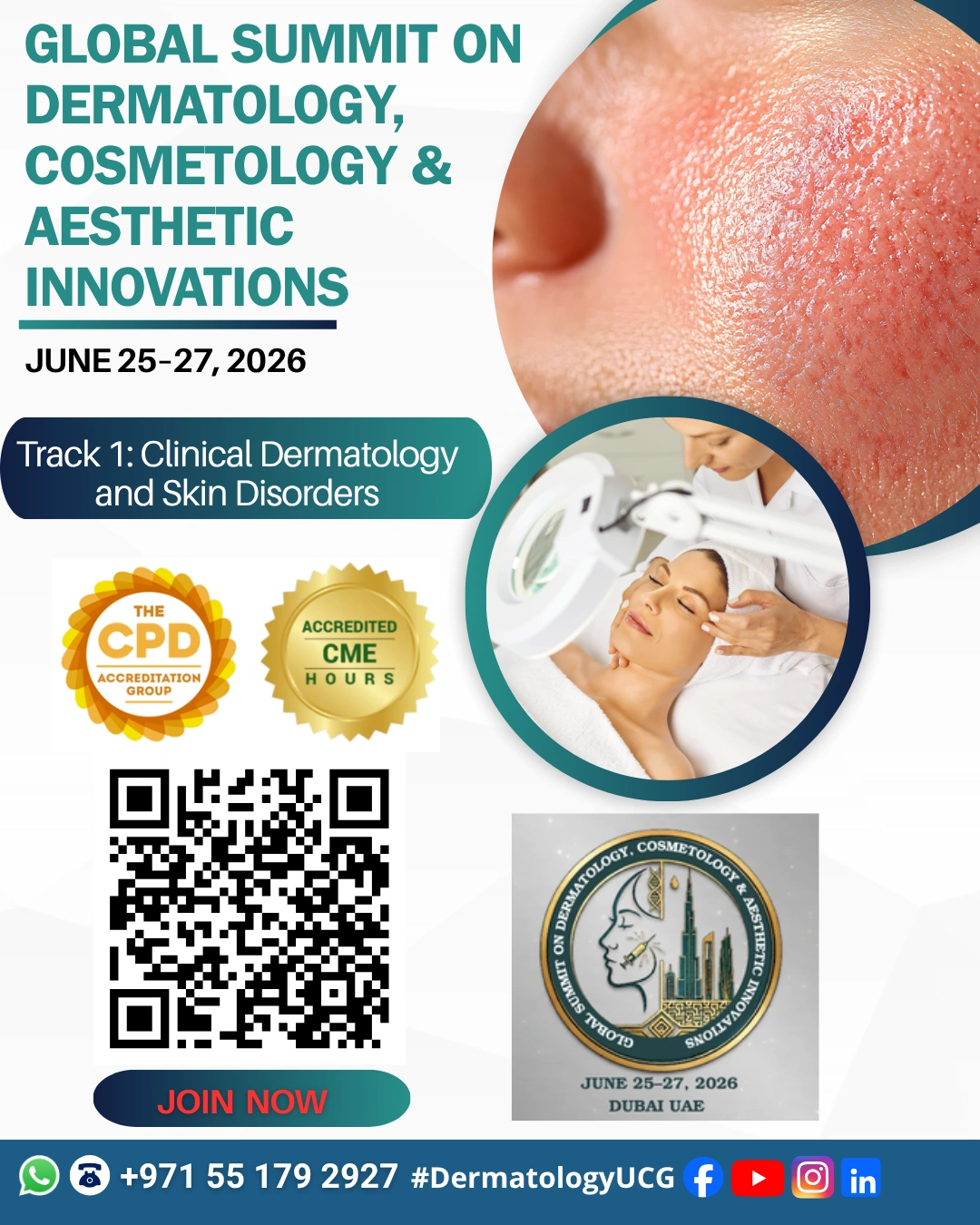
Sub Topics: Clinical Dermatology and Skin Disorders
Clinical Dermatology is a vital field...
Sub Tracks:
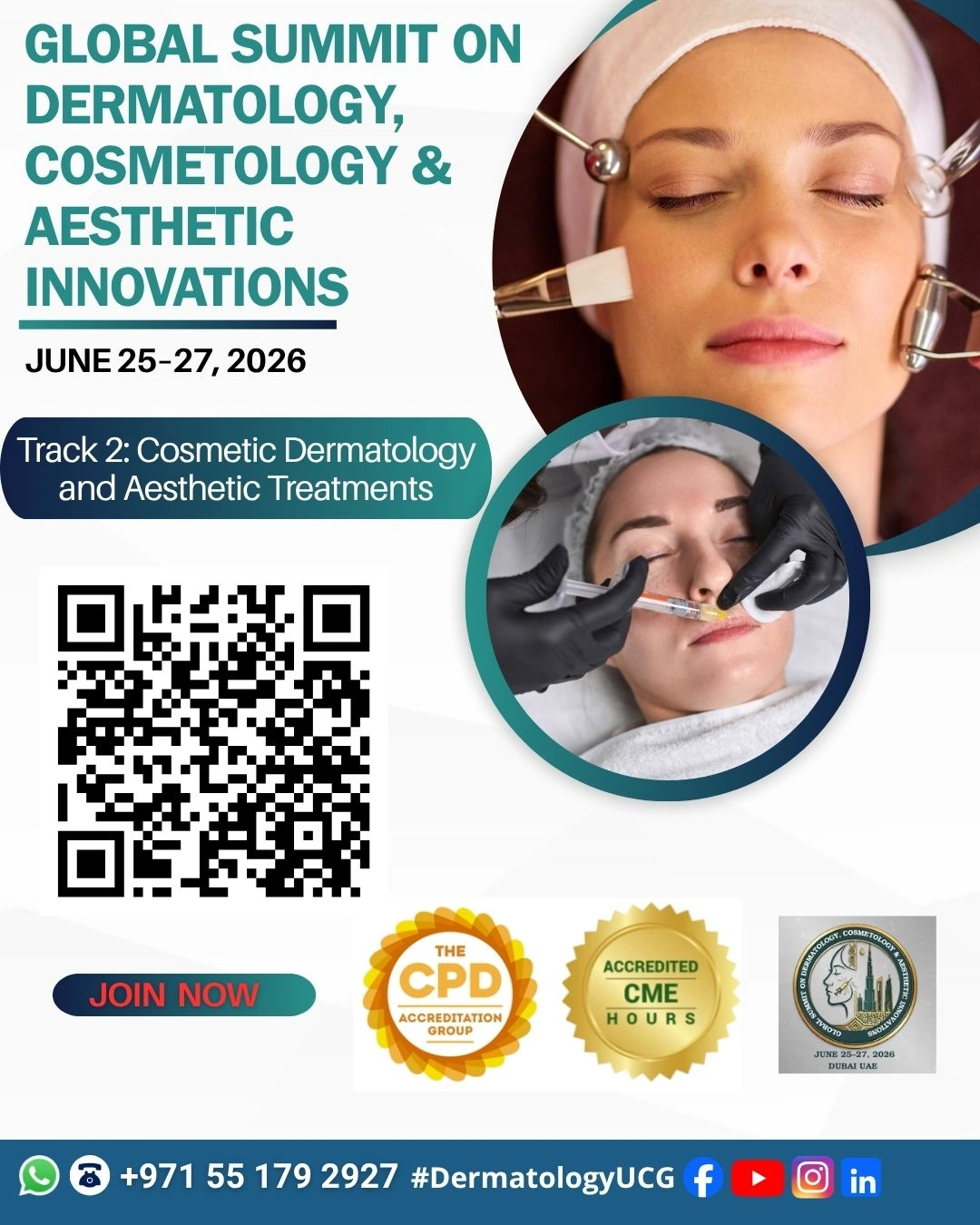
Cosmetic Dermatology is a specialized branch of dermatological science focused...
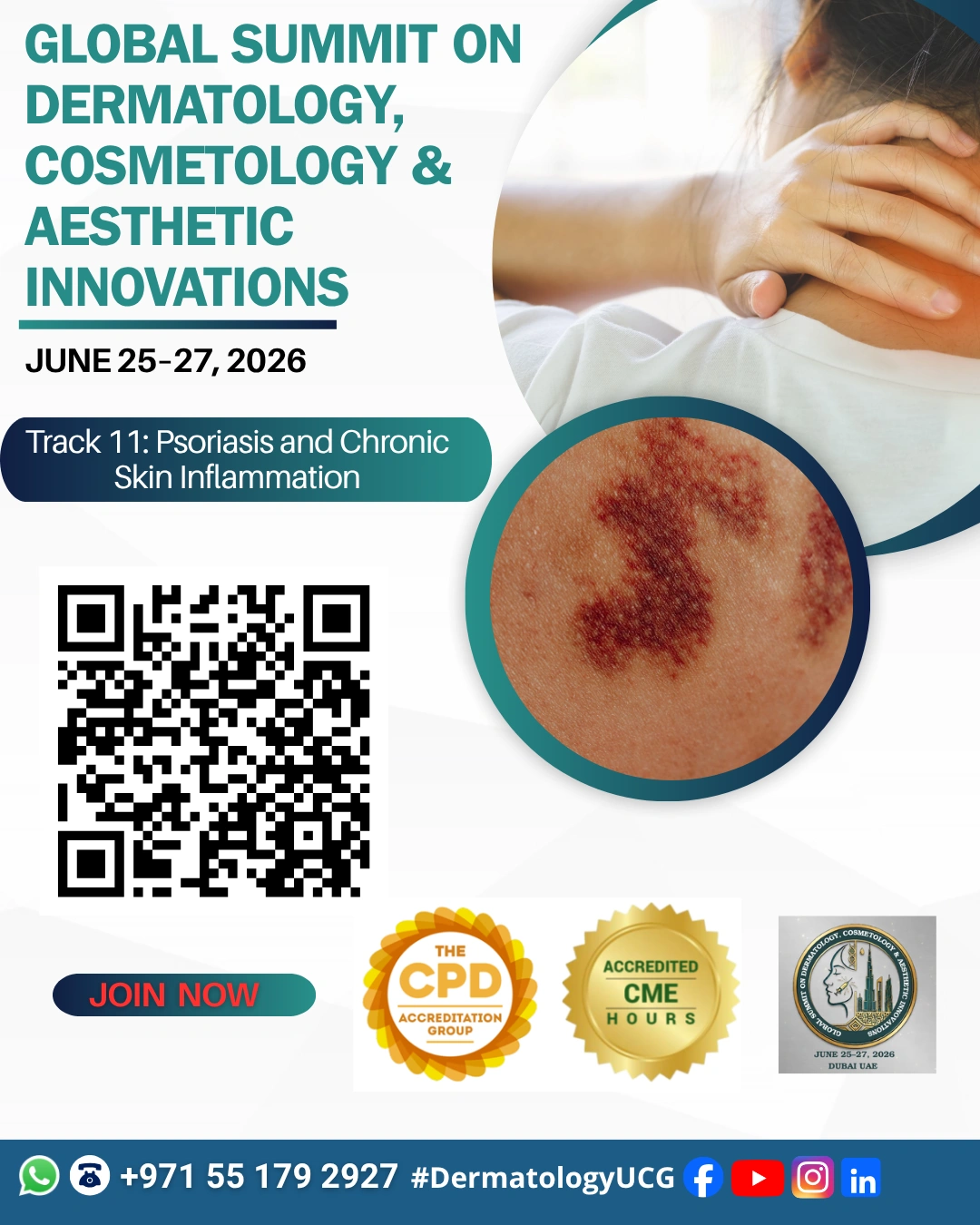
Psoriasis and Chronic Skin Inflammation
Psoriasis and chronic skin inflammation represent significant challenges in dermatological research and clinical practice, owing to their complex pathogenesis, systemic associations, and profound impact on patients’ quality of life. Psoriasis, a chronic, immune-mediated inflammatory skin disorder, affects millions globally and is characterized by erythematous, scaly plaques resulting from hyperproliferation of keratinocytes and dysregulated immune responses. Beyond its cutaneous manifestations, psoriasis is increasingly recognized as a multisystem disease linked to metabolic syndrome, cardiovascular disorders, arthritis, and psychological comorbidities.
Advances in molecular and immunological research have deepened our understanding of the inflammatory cascades driving psoriasis, particularly the pivotal roles of T-helper (Th1, Th17) cells, cytokines such as IL-17, IL-23, and TNF-α, and genetic predispositions involving HLA-Cw6 and other susceptibility loci. These discoveries have catalyzed the development of highly specific biologic therapies that target these pathways, revolutionizing disease management and offering sustained remission for many patients.
In addition to biologics, novel small-molecule inhibitors, such as JAK and TYK2 inhibitors, are emerging as promising therapeutic options with oral administration and favorable safety profiles. Research continues to explore precision medicine approaches, integrating genomic, proteomic, and microbiome data to predict treatment response and optimize individualized care. Moreover, non-invasive imaging, digital monitoring tools, and AI-assisted assessment are enhancing disease tracking and outcome measurement in both clinical and research settings.
Beyond psoriasis, chronic inflammatory skin conditions such as atopic dermatitis, hidradenitis suppurativa, and lupus erythematosus share overlapping immunopathological mechanisms, emphasizing the importance of cross-disciplinary research into inflammation-driven skin disease. Preventive and holistic management approaches — including patient education, lifestyle modification, and mental health support — remain essential to improving long-term outcomes.
The session on Psoriasis and Chronic Skin Inflammation will bring together dermatologists, immunologists, researchers, and clinicians to discuss recent advances in disease pathogenesis, innovative therapies, and comprehensive management strategies. Attendees will gain valuable insights into the evolving landscape of inflammatory skin disease research and the future of personalized, immune-targeted interventions designed to improve patient care and quality of life.