Dermatologic Complications of Systemic Diseases
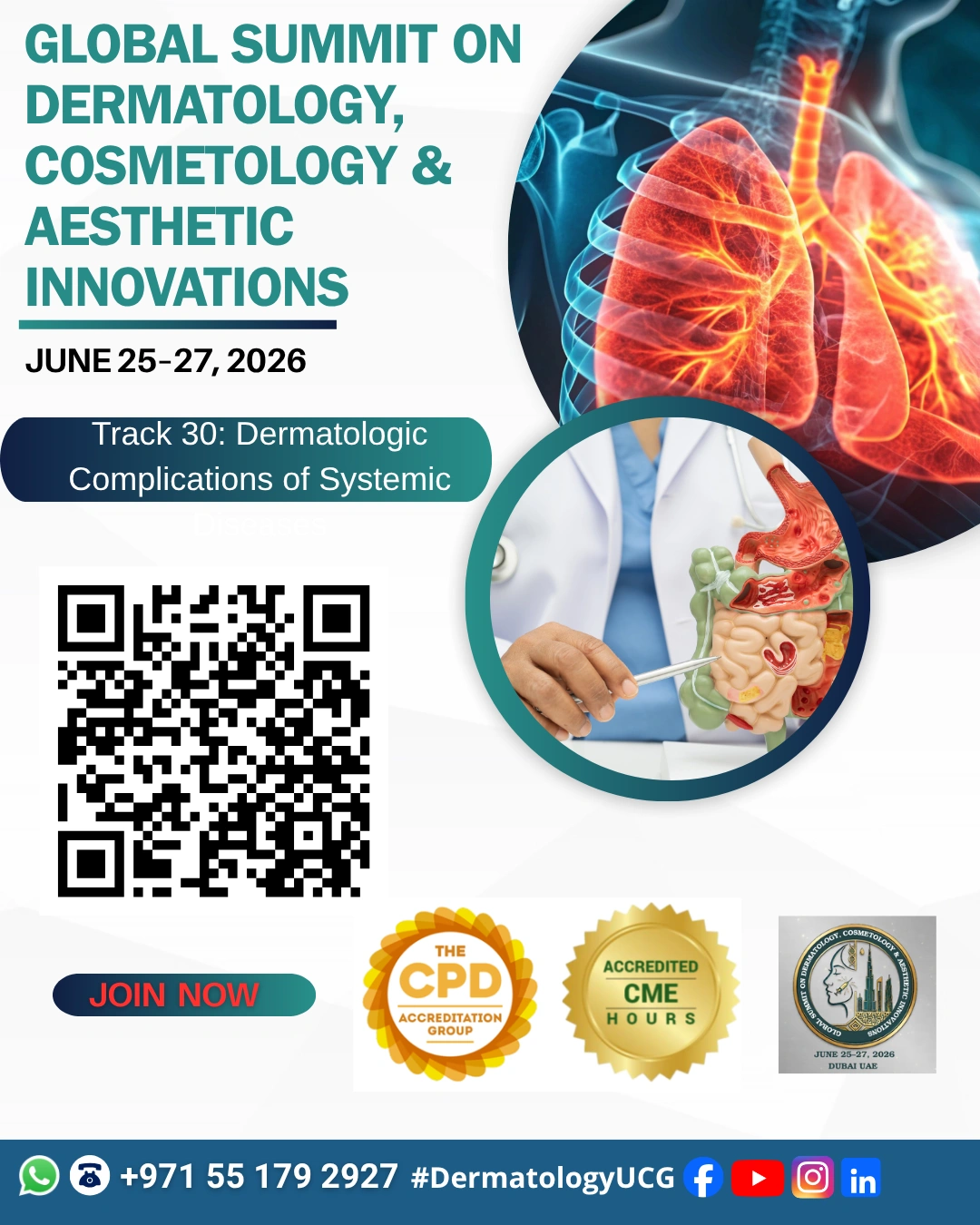
Dermatologic complications of systemic diseases represent a crucial intersection between internal medicine and dermatology, highlighting the skin’s role as a mirror of systemic health. Many systemic conditions—ranging from metabolic, autoimmune, infectious, and neoplastic disorders—manifest with distinct cutaneous signs that can serve as early diagnostic clues, indicators of disease progression, or markers of systemic involvement. Recognizing and managing these manifestations are vital for timely diagnosis, multidisciplinary care, and improved patient outcomes.
Systemic diseases such as diabetes mellitus, lupus erythematosus, vasculitis, thyroid disorders, and hepatic or renal dysfunction frequently present with characteristic skin changes. These include diabetic dermopathy, necrobiosis lipoidica, livedo reticularis, jaundice, and uremic pruritus, among others. Similarly, systemic infections like HIV, tuberculosis, and syphilis often produce dermatologic signs that reflect underlying immune compromise or pathogen dissemination. Advances in clinical dermatology and immunopathology have enhanced our understanding of the molecular links between systemic inflammation, immune dysregulation, and skin pathology.
The interplay between dermatologic and systemic disease is also evident in malignancy-associated dermatoses, such as paraneoplastic syndromes, and drug-induced reactions secondary to systemic therapy. With the increasing use of biologics, immune checkpoint inhibitors, and targeted cancer therapies, dermatologic toxicities have emerged as important considerations in patient management. Early recognition and collaborative care between dermatologists and specialists are essential to prevent complications and optimize therapeutic outcomes.
Recent research in molecular biomarkers, immunogenetics, and systemic inflammation has deepened insights into the pathophysiology of cutaneous manifestations, guiding the development of personalized interventions. Moreover, diagnostic tools such as dermoscopy, histopathology, and serologic assays are improving the accuracy of diagnosis and disease correlation.
The session on Dermatologic Complications of Systemic Diseases will bring together dermatologists, internists, immunologists, and researchers to discuss current advances in the recognition, pathogenesis, and management of skin manifestations linked to systemic disorders. Participants will gain valuable knowledge on diagnostic strategies, interdisciplinary management, and emerging therapeutic approaches that enhance patient care through the integration of dermatologic and systemic disease understanding.