
Sub Topics: Clinical Dermatology and Skin Disorders
Clinical Dermatology is a vital field...
Sub Tracks:
Cosmetic Dermatology is a specialized branch of dermatological science focused...
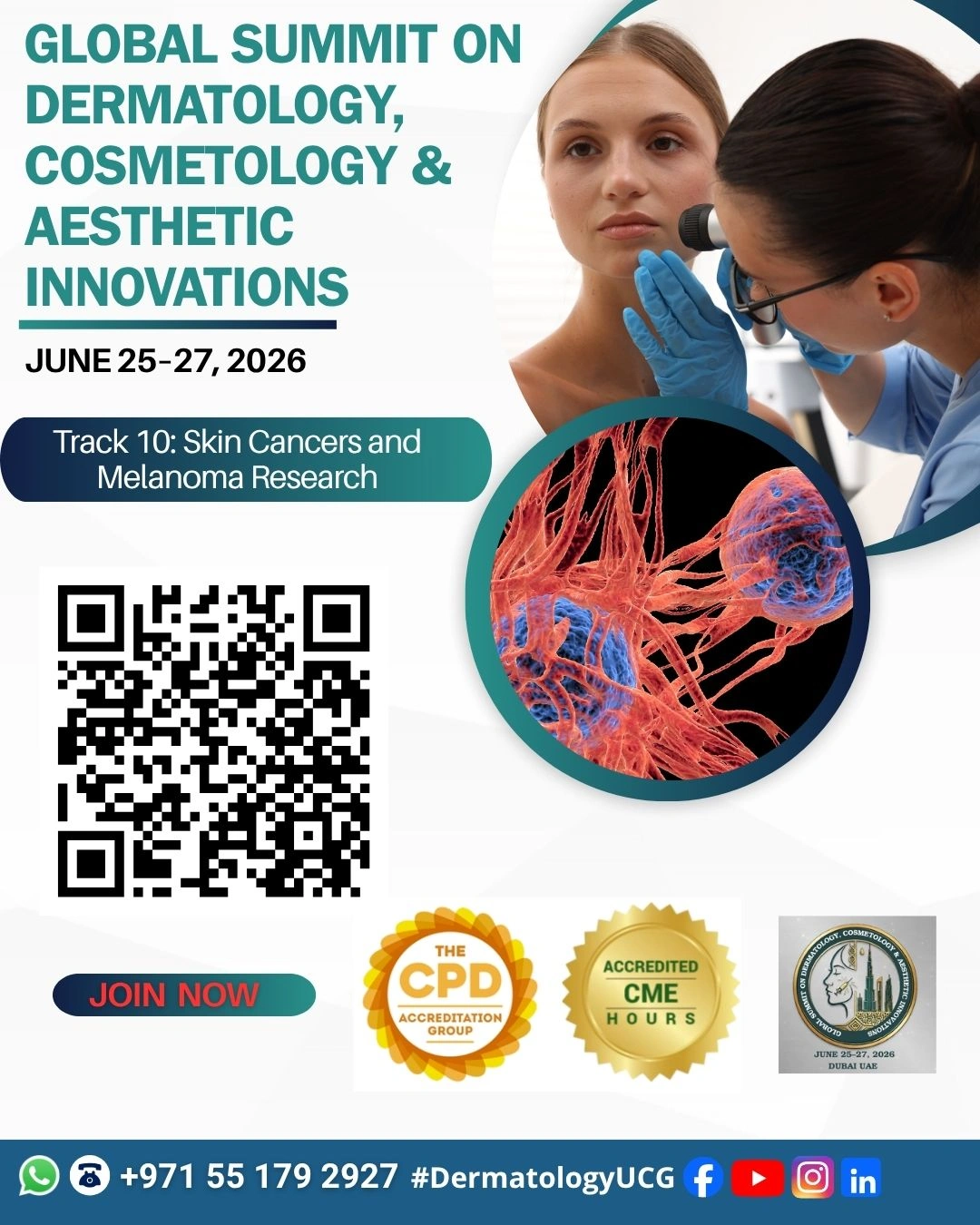
Skin Cancers and Melanoma Research is a critical and rapidly advancing area within dermatology and oncology dedicated to understanding, diagnosing, preventing, and treating malignant skin conditions. As the incidence of skin cancer continues to rise globally due to increased UV exposure, genetic susceptibility, and environmental factors, early detection and innovative therapies have become vital for improving survival rates and quality of life.
Skin cancers encompass a spectrum of malignancies, including basal cell carcinoma (BCC), squamous cell carcinoma (SCC), and the highly aggressive melanoma. While non-melanoma skin cancers are the most common and often curable with early treatment, melanoma poses a significant clinical challenge due to its potential for metastasis and resistance to conventional therapies.
Recent breakthroughs in melanoma research have transformed the landscape of treatment through the development of targeted molecular therapies, immunotherapy, and genetic profiling. Agents such as BRAF and MEK inhibitors, along with immune checkpoint inhibitors (PD-1 and CTLA-4 blockers), have shown remarkable efficacy in prolonging survival and achieving durable remission in advanced cases. Furthermore, innovations in artificial intelligence (AI)-based dermoscopy, digital pathology, and non-invasive imaging have significantly improved diagnostic accuracy and early detection.
Ongoing studies are exploring nanotechnology-based drug delivery, photodynamic therapy, cancer vaccines, and liquid biopsy techniques to enhance treatment precision and reduce systemic toxicity. Preventive strategies, including patient education, UV protection campaigns, and genetic risk assessment, continue to play an essential role in reducing disease burden.
The session on Skin Cancers and Melanoma Research will gather dermatologists, oncologists, pathologists, researchers, and healthcare professionals to discuss emerging trends in skin cancer biology, early detection tools, and innovative therapeutic modalities. Participants will gain insights into translational research, personalized oncology, and multidisciplinary management strategies that are shaping the future of skin cancer care — from prevention to precision treatment — ultimately aiming to reduce mortality and improve patient outcomes worldwide.